About Us
Mary Beth started out with a conventional mentality but financially, could not afford to do things in Vermont that way. With limited pastures and equipment she developed a niche that allows landowners the chance to maintain their property in a cost-effective and ecologically beneficial way while providing the environment and feed to produce meat for local consumers.
An investment in fencing instead of money wasted on fossil fuels allows livestock to utilize the grass in a pasture, to live in a natural setting, create protein, reproduce, and return fertilizer to the land. The benefits are obvious and measurable. Evolution over the past decades of farming in Vermont, adopting one method or practice and then another while evaluating them for practicality, usefulness, and profitability, has made Fischer Farm what it is today!
How did you get into farming?
Living in Albany County, New York as a kid my first exposure to farming was living on the remains of a dairy farm where my family had been for four generations. Since we did not have our own crop ground, my experience with horses and ponies included visits with neighbors and acquaintances who also had animals, where we bought hay. When I graduated from high school and started college my grandfather passed away. Since he had provided the means to have animals I needed to get a job if I wanted to keep the horses. I ended up at a neighboring farm where they raised beef cattle and grew corn and hay. This farm was also in their family for generations, operated according to 1970s practices, where big tractors and cheap fuel were what provided the power to raise cattle and crops, hopefully at a profit. After marrying and moving to Vermont, I did not give up farming. For a time, commuting to Albany weekly to continue my work, while starting to create the basis for a farm in Vermont. Since our property in Vermont did not have any pasture, my first investment was a barn to raise pigs. In December of 1984, I was able to move my pigs here. In the early 1990s I was able to fence some pasture in our neighborhood and raise some grass-fed cattle for an outfit that had been buying my market hogs to provide Vermont pork to the Whole Foods market.
That was around the beginning of the pasture-raised beef trend which was only a part of a totally different production model than I was used to. Conventional confinement and feedlot production of cattle and hogs was the norm and this “new” idea of raising animals on pasture was gaining favor among some consumers and marketers. Bringing all these pieces of the food chain together to get consumers the products they are looking for would be the challenge that has taken about 20 years. At the same time, an acquaintance of mine was working on her own project of getting various types of farm products to restaurants in New York City and Boston. When I contacted her about some small pigs that I felt would be perfect as roasters, she got to work on helping me market my pigs in a different way. Changing the way I raise and market pigs allowed me more time to manage cattle on pasture so I started with some of the cows from Albany to graze pastures here in Vermont.
Breed Selections
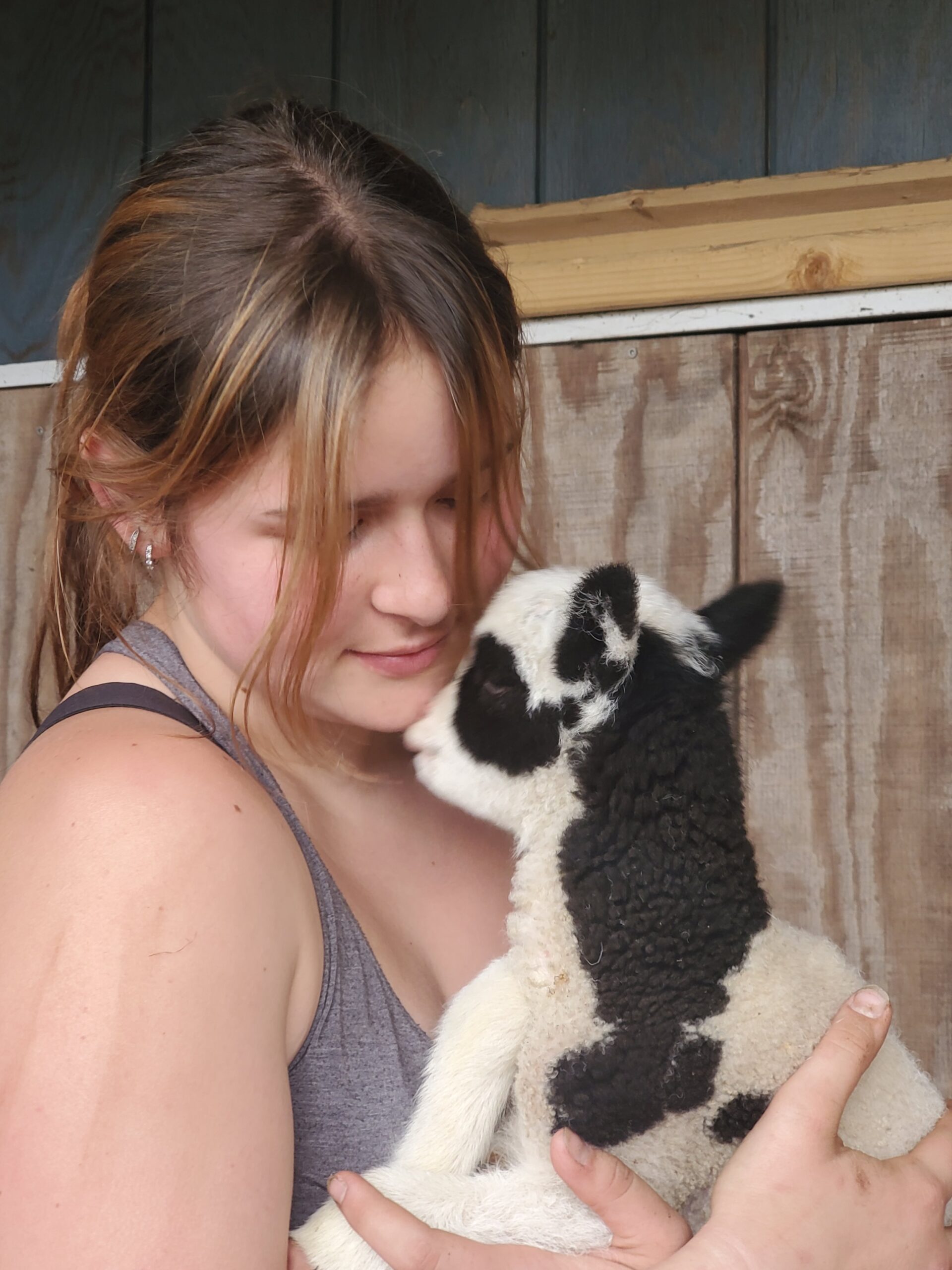
Keeping our farm functional has always been important. This means selecting animals based on many attributes from fertility to feed efficiency and calving weight to carcass quality. In 2008 after Wagyu genetics became available in the U.S., we started breeding Simmental/Angus females to Wagyu sires to improve meat quality and eventually to form our own breed of well-rounded New England hearty cattle, NE Wagyu. Around the same time, we looked into heritage breed pigs as a way of improving our pork and now raise Berkshire, Large Black, and Mangalitsa crosses. Around 2015, a need was realized for maintaining small steep, and brushy areas which led to adding Jacobs sheep to the mix.
Practices
All Cattle, hogs, and lambs are born and raised on our farm and handled only by experienced stockmen because the way cattle are worked with and treated is important. Through long-proven methods advanced and customized over 40 years of farming in Vermont, we work to improve pastures and breeding stock while conserving natural resources. Our goal is to humanely and happily raise animals that efficiently produce the highest quality meats possible. Ultimately, all the practices we utilize are up for review. We are always considering ways which work better or faster but do not compromise our goals or final product. We believe that keeping local products available strengthens our community, benefiting all. Please Join Us!